
History and Growth of BGCGM
For more than 135 years, Boys & Girls Clubs of Greater Milwaukee (BGCGM) has stood as a beacon of opportunity, transforming lives and strengthening communities across the city. What began in the basement of a Milwaukee church has grown into one of the largest and most impactful youth-serving organizations in the nation. Today, we support more than 30,000 youth across Milwaukee through dozens of Club locations, a historic summer camp, and innovative programs that grow with the needs of each generation. From welcoming girls in the 1980s to receiving record-setting philanthropic gifts in recent years, BGCGM’s legacy is rooted in resilience, growth, and a steadfast commitment to helping every young person build a great future.
From humble beginnings to today’s success—see our story unfold.
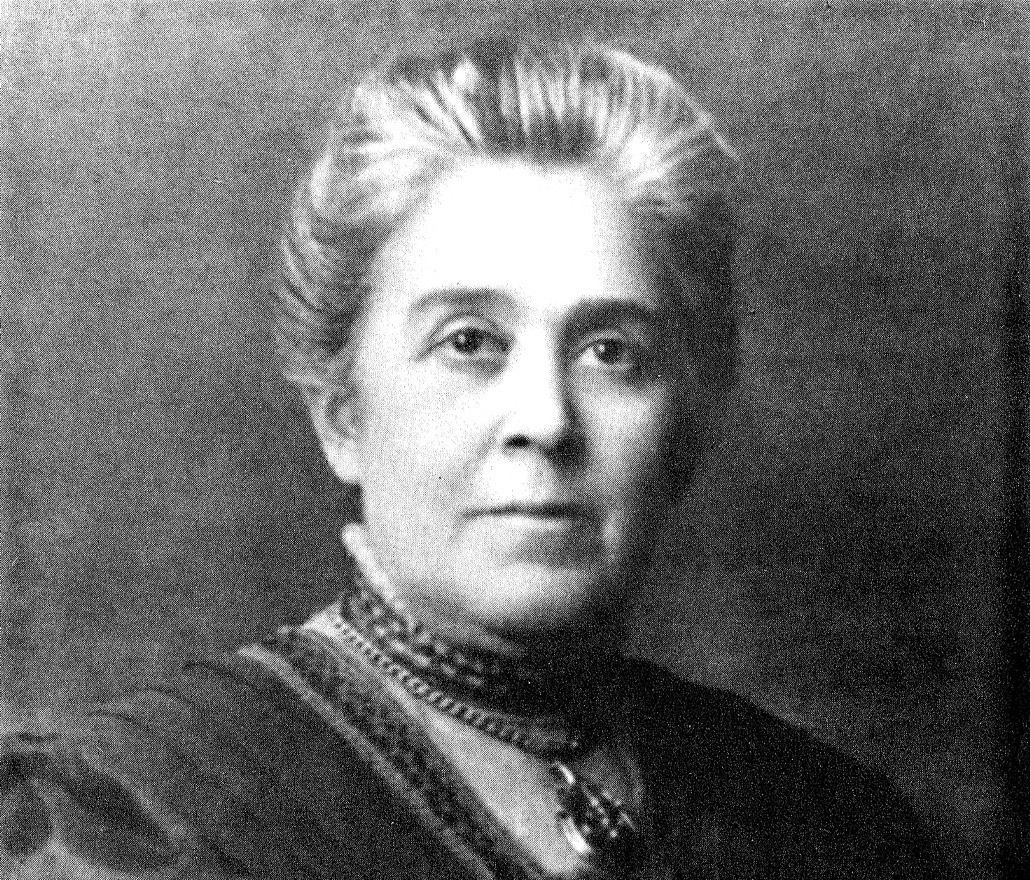
1887 - Founding
The Boys & Girls Clubs of Greater Milwaukee began in the basement of Plymouth Congregational Church, created by Annabell Cook Whitcomb and local leaders to give boys safe, supportive spaces. It started with two rooms and a mission: to guide boys with recreational and vocational programs.
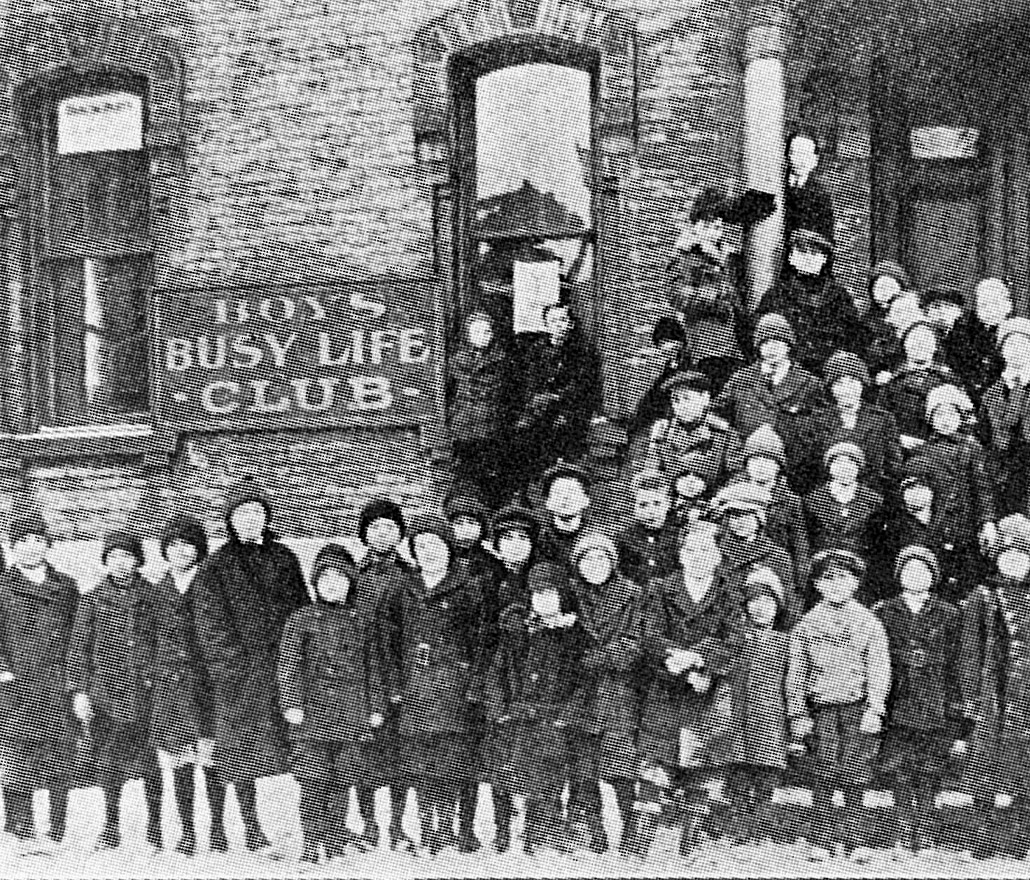
1900–1906 – Growth and National Affiliation
By 1900, membership topped 200, and the group became known as the Boys’ Busy Life Club. In 1906, it joined other like-minded clubs to form what is now the Boys & Girls Clubs of America.
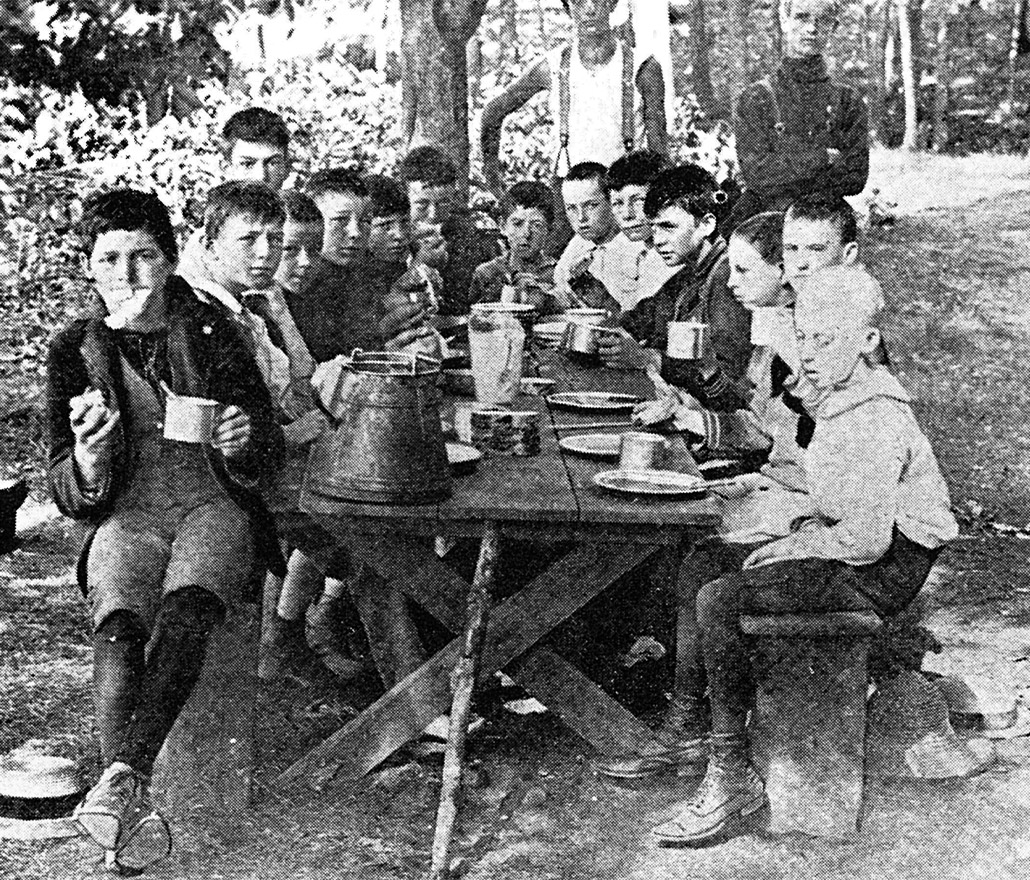
1911 – Camp Whitcomb Established
The Club opened Camp Whitcomb in Hartland, Wisconsin, on Lake Keesus. It became the nation’s first permanent summer camp associated with a Boys Club, offering hundreds of youth outdoor experiences and leadership development.
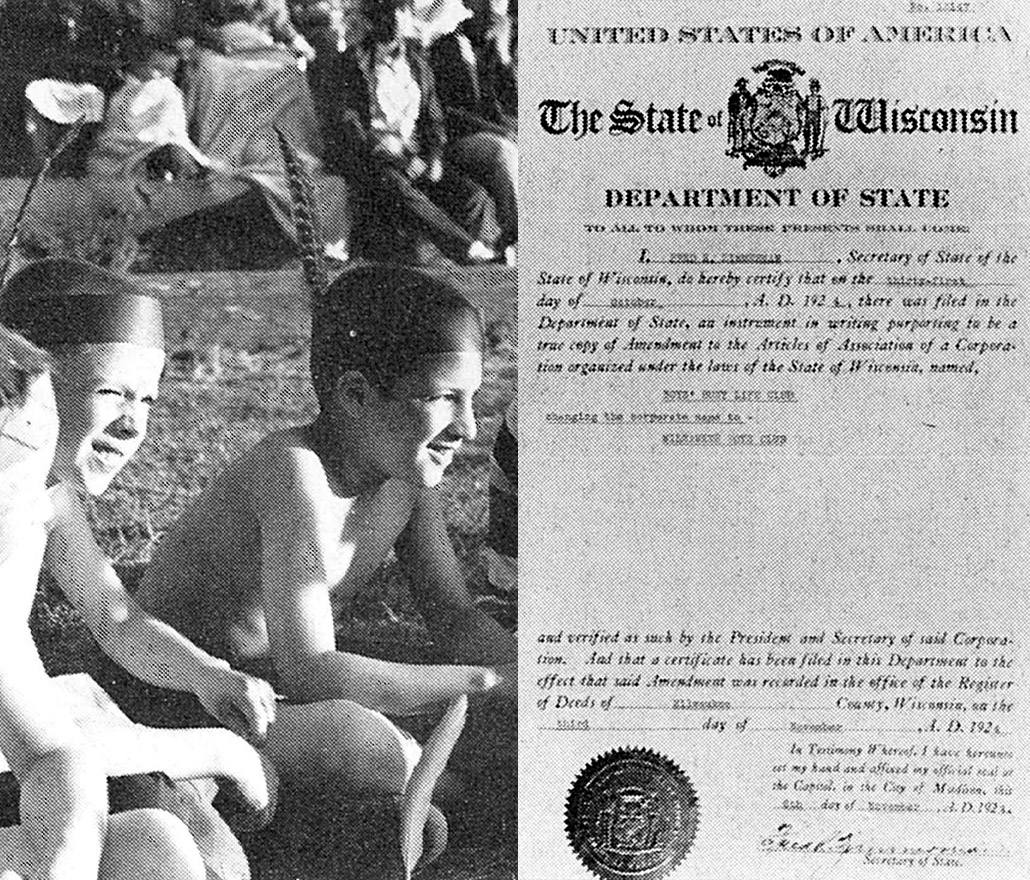
1924 – Name Changes to Milwaukee Boys’ Club
The name Milwaukee Boys’ Club was adopted, reinforcing its identity as a local force for youth development.
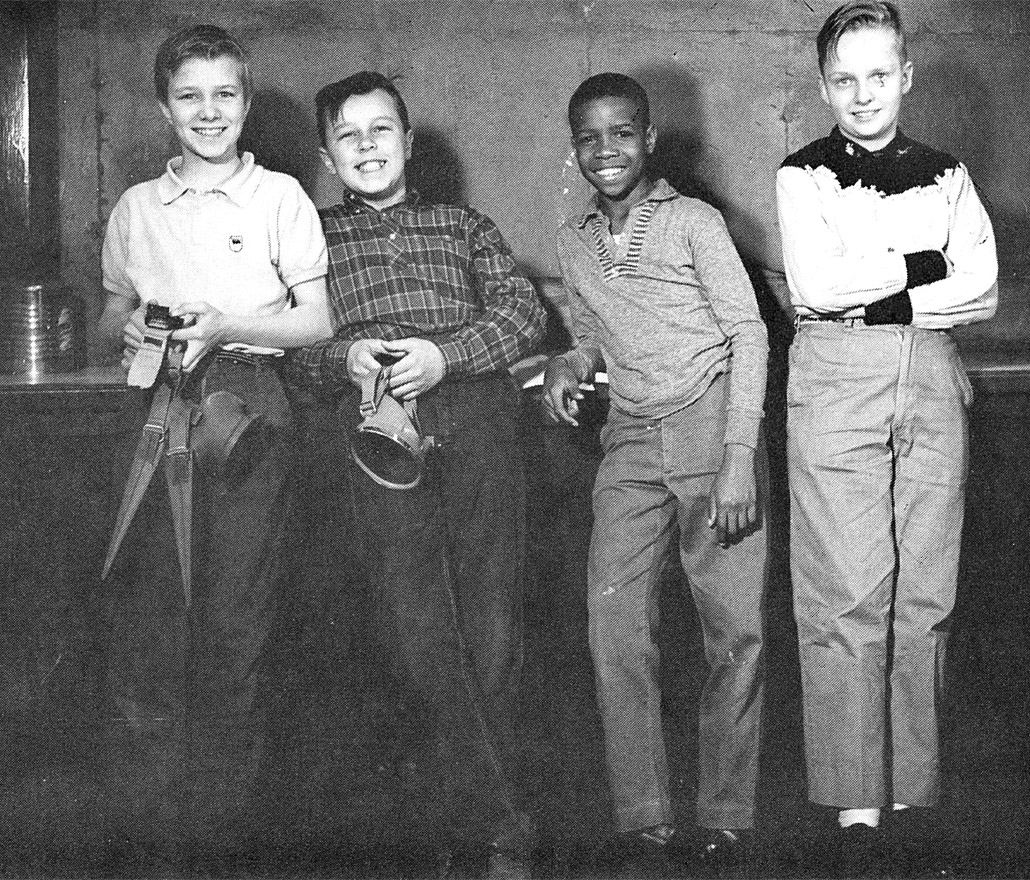
1950s–1960s – Citywide Expansion
Multiple neighborhood branches were opened throughout Milwaukee, particularly on the North and South Sides, increasing access for Black and underserved communities.
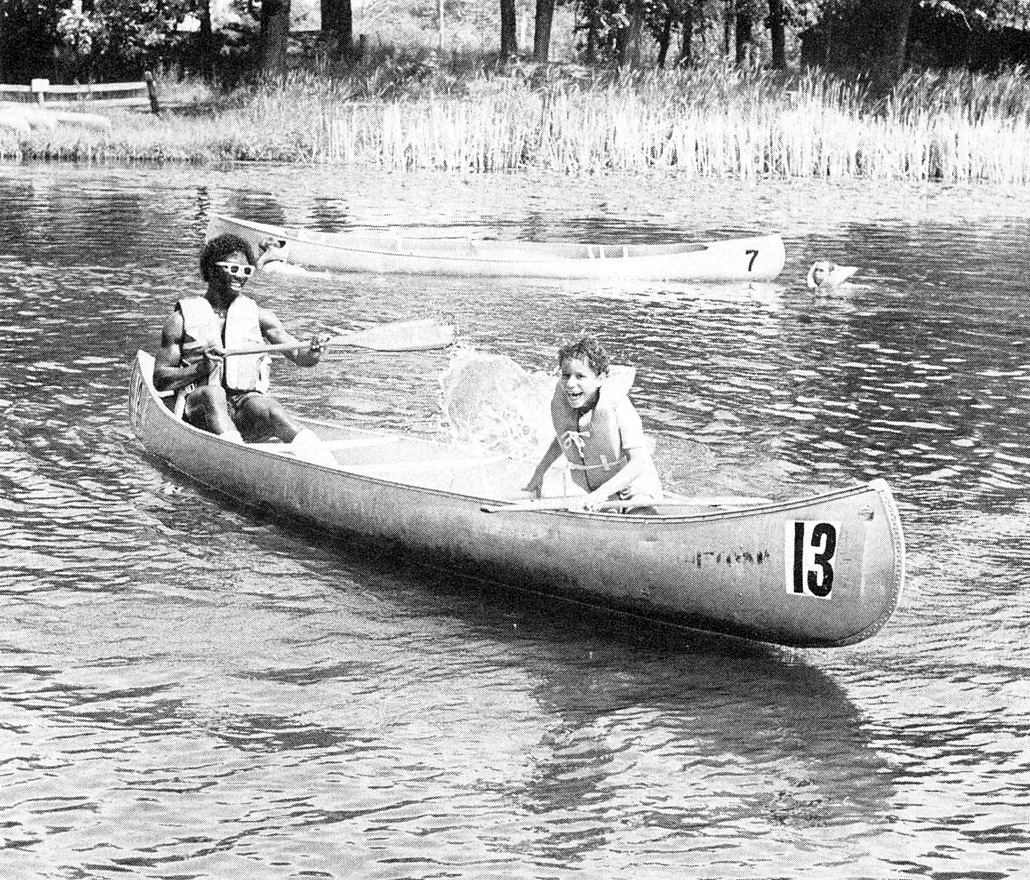
1966–1969 – Camp Mason and Campus Growth
Camp Mason was added adjacent to Camp Whitcomb, creating a 306-acre outdoor education and leadership campus. New cabins, lodges, and nature programs were introduced.
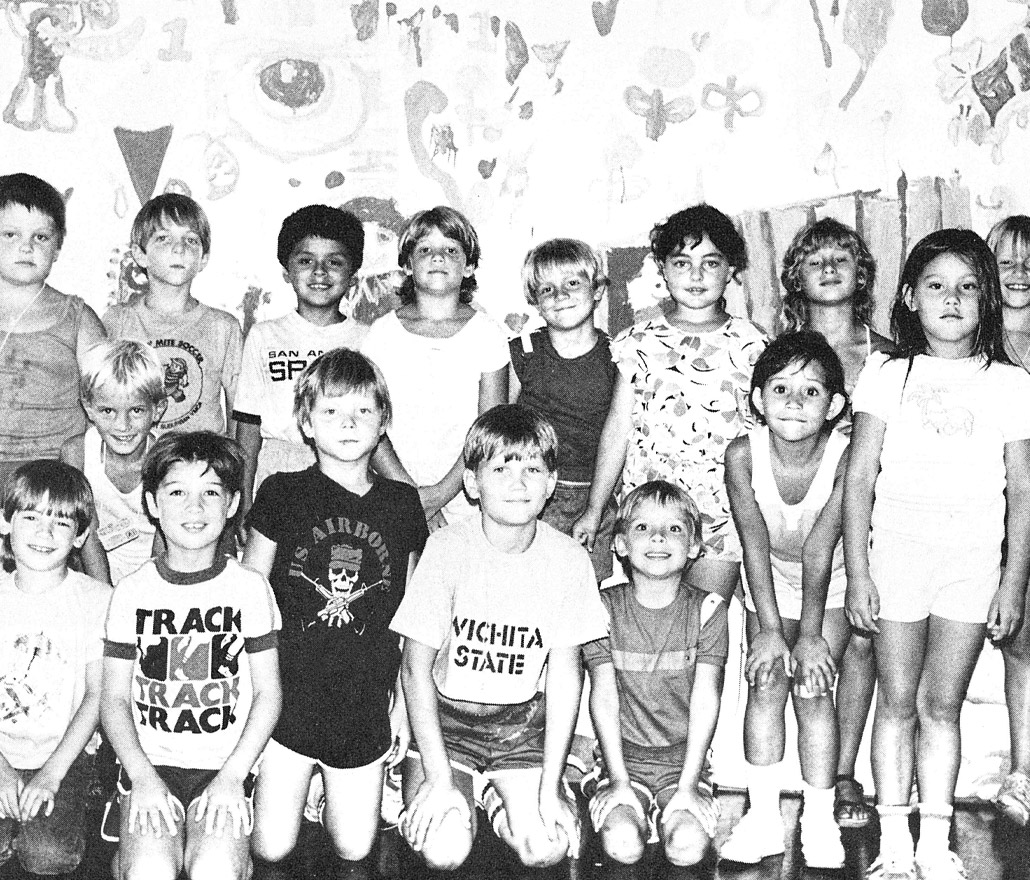
1985–1987 – Inclusion and Rebranding
In 1985, the Club officially began serving girls, becoming the first in the nation to adopt the name Boys & Girls Club. By 1987, it expanded regionally and became Boys & Girls Clubs of Greater Milwaukee (BGCGM).
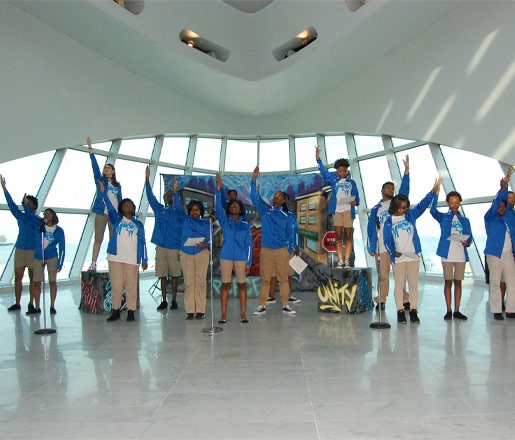

2003 – National Recognition
BGCGM became the third-largest local Boys & Girls Club in the U.S., serving thousands of youth across 40+ locations.
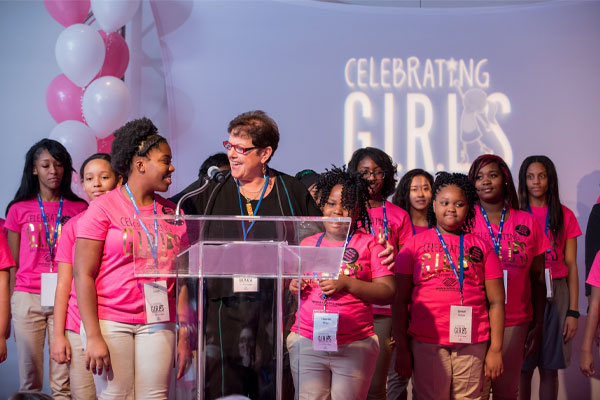
2014 – Year of the G.I.R.L.
To mark 30 years of serving girls, BGCGM launched the “Year of the G.I.R.L.” campaign and celebrated the state Youth of the Year award winner, Shantelle Williams. Learn what it means to some of the girls at the Clubs.
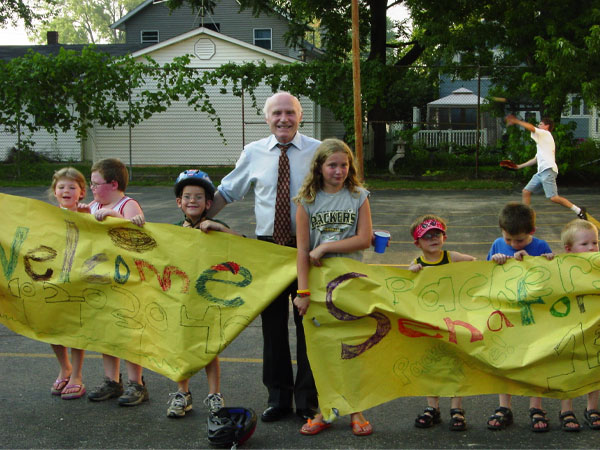
2015 – Record-Setting Philanthropy
BGCGM received a $500K gift from Senator Herb Kohl extended summer programming, enabling 5,000 youth to participate and providing over 70,000 meals, as well as a $5M gift from Keith Mardak & Mary Vandenberg which launched the MarVan Scholars program in partnership with Milwaukee Public Schools.
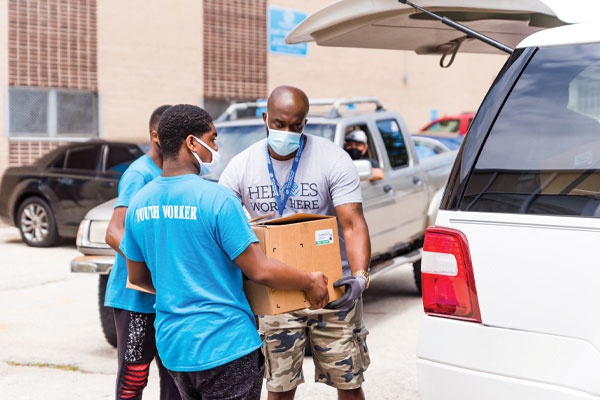
2020 – COVID-19 Response
Despite challenges, BGCGM reopened 32 Clubs (70% of its footprint) with safety protocols and distributed over 100,000 meals to families in need. A $100K donation from Clarios supported extended programming.
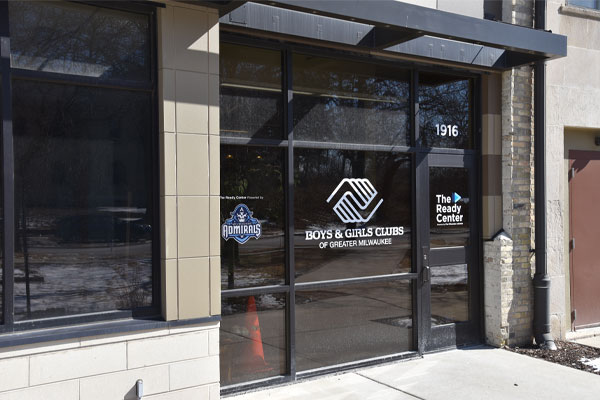

2022 – Expansion and Investment in Teens
The Ready Center opened in partnership with the Milwaukee Admirals, focused on career readiness and entrepreneurship for teens. MacKenzie Scott gifted $17 million to BGCGM—the largest individual gift in the organization’s history.

2024 – Leadership and Scale
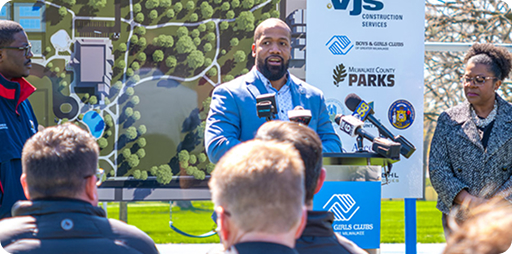
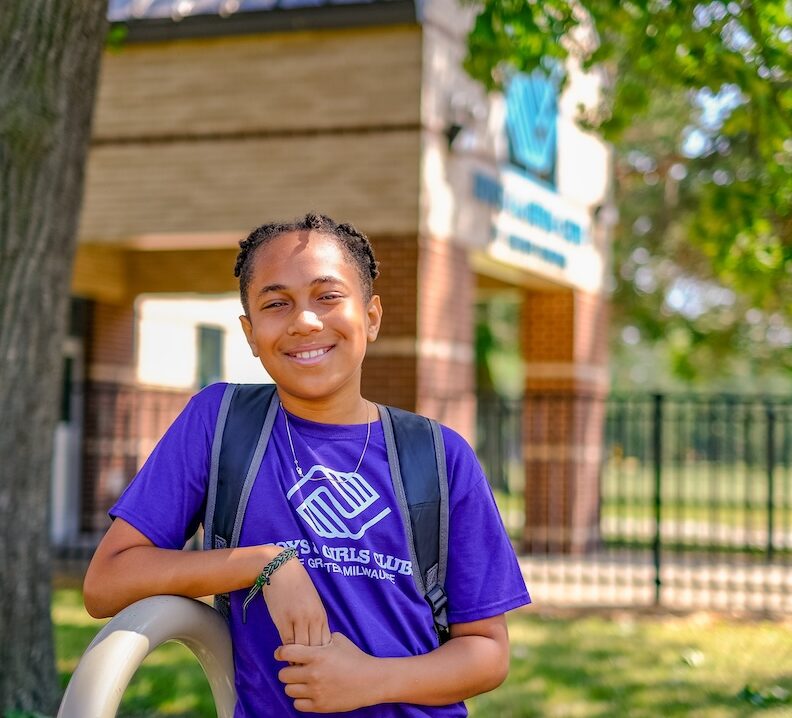
Jeff Snell, PhD, was appointed CEO, bringing vision and continuity. He previously served as CEO from 1997 to 2004 and returned to lead the organization into its next chapter. A transformative, multimillion-dollar renovation of Sherman Park, home to the Mary Ryan Boys & Girls Club, gets underway. BGCGM is the largest single-city Club in the nation and operates dozens of Club locations, serving more than 30,000 youth annually across Milwaukee.

Key Themes of Growth and Success

Expanded from 1 location to dozens across Milwaukee
Outdoor programs flourished with Camp Whitcomb/Mason
Pioneered inclusion of girls in Club programming

Let's Build the Future
Be part of the legacy of helping more kids reach their potential. You can make a difference by giving of your time and resources or stepping into work that matters.